Runner's Recovery Bowl
Summer Project 2026: Restore Love of Running
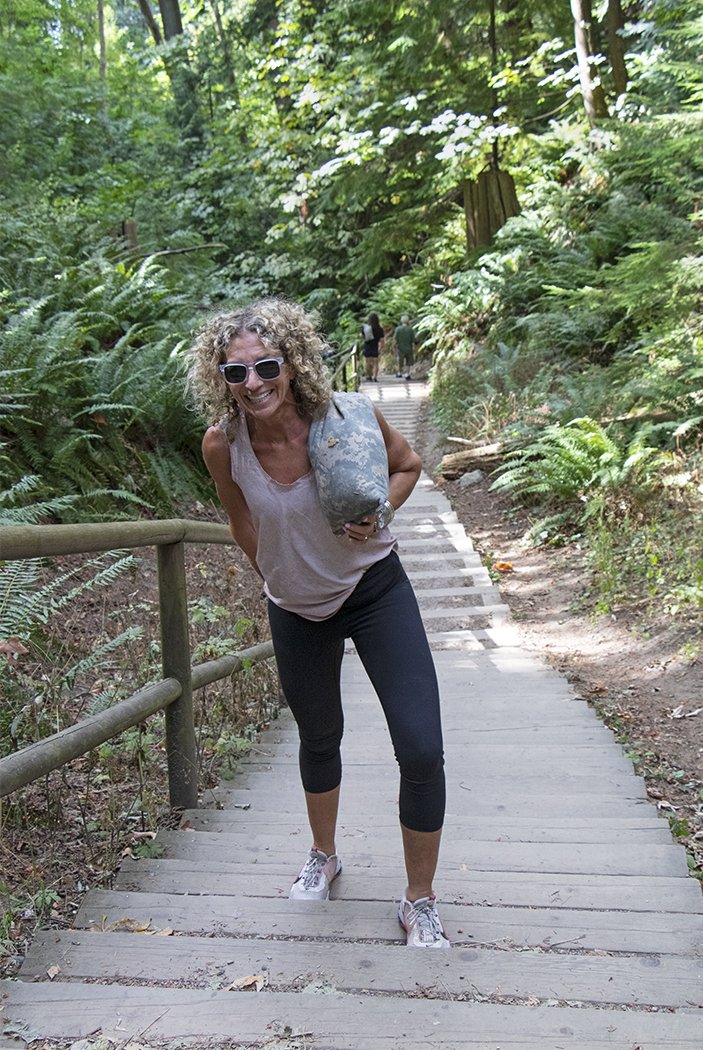
I used to be an avid runner. First it was marathons, then half marathons, 10Ks, 5Ks, then simply trail runs, or I'd run to the gym, do a workout, and run home. But over the last couple of years, consistency slipped away from me. A dragging knee issue, family illnesses, and shoulder surgery made running a hit-and-miss endeavour.
Now, for the first time in a long time, running feels like it could be fun again. My knee is fine and my shoulder can tolerate it, so I've decided it's time to rebuild, one run at a time. One thing I was reminded of while running a slow 1000 m around the gym is how much better running feels when I'm well fuelled. It does not magically make running easier, but it can definitely put a little more spring in my step.
Another reminder in the summer heat: don't head out for a run dehydrated. Even mild dehydration can make a run feel much harder and will increase your risk of muscle cramps and calf strains. I pulled a calf muscle years ago setting out for a morning run parched. Snap. I had to hobble home. It was awful.
If you're new to running, or coming back after some time away, it will likely feel rather gruelling at first and not that much fun. Hang in there. It is worth the effort to find your running rhythm. The key is to keep showing up and putting in the leg work.
Depending where you are at, and your goals, you could start with two to three runs each week of varying lengths. Write them in your calendar. Know when and where you will run. A week flies by, and it can easily get lost otherwise. Even one run is better than none.
Also, start low and go slow with your goals. That approach is why walk-to-run programs are so effective. Alternating short bouts of running with walking gives your heart, lungs, muscles, and joints time to adapt. Run for 30 seconds, walk for 1 minute, and repeat × 10. Start with one day a week, then two days the next week, and so on. You might be amazed at what it could lead to!
Right now, the thought of heading out for a continuous 5 km run is not appealing. It's too much out of the gate. But interval workouts? Much more doable.
This week at the Q.E. track I tackled:
Every 3 Minutes × 10 Rounds
Run 400 metres
Rest for the remainder of the 3-minute interval
It was challenging, but I finished feeling accomplished. I did not flatten myself. I had about 30 seconds to recover between rounds. Not much, but it gave me a second to catch my breath before taking off again. By the final few rounds, I'm pretty sure I borrowed an extra five or ten seconds of recovery, with the simple goal of finishing it.
If you're a Speedy Gonzales, try running your 400 metres every 2:30 instead. If you're newer to running, forget the distance altogether. Simply run for 2 minutes, walk or rest for 1 minute, and repeat for an appropriate number of rounds for you. Start where you are and go from there. The goal is to gradually build your running fitness and be able to come back and do it again.
Now, another thing we can do when we're not out on the road and want to run stronger, or make running feel a little easier, is to get into the kitchen.
Things to keep in mind:
Don't skip carbohydrates. They're your body's preferred fuel for running, especially if you're adding intervals or longer efforts.
Aim for 20–30 grams of protein after your workout to support muscle repair and recovery.
Build balanced meals with protein, colourful vegetables, carbohydrates, and healthy fats.
Stay hydrated, especially during the summer months.
Have a recovery meal planned before you're starving. It will keep you from grabbing muffins or whatever you can find.
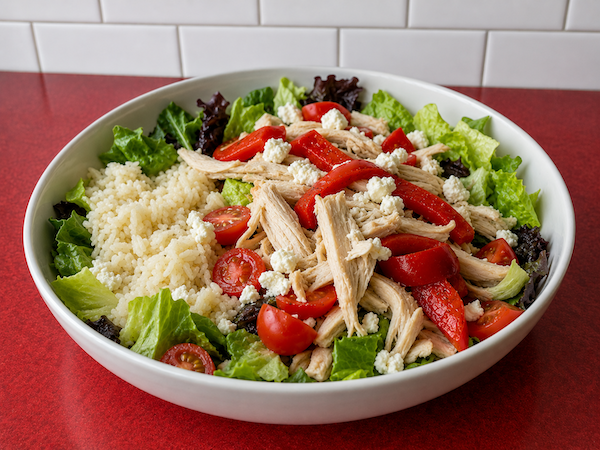
Runner's Recovery Bowl
Disclaimer: Slow cookers can be used in the summer! Yes, a grilled chicken skewer or breast is great instead, but if you don't have that in you, pull out the slow cooker!
Slow Cooker Lemon Herb Chicken
Ingredients
2 lbs boneless, skinless chicken breasts
1 medium onion, sliced
1 cup low-sodium chicken broth
Juice of 1 lemon
1 tsp dried oregano
1 tsp onion powder
1 tsp garlic powder
1 tsp paprika
½ tsp salt
½ tsp black pepper
Directions
Place the onion in the bottom of the slow cooker.
Add the chicken breasts.
Sprinkle with the oregano, onion powder, garlic powder, paprika, salt, and pepper.
Pour the chicken broth and lemon juice over it all.
Cook on LOW for 4–5 hours or HIGH for 2-3 hours, until the chicken shreds easily.
Shred the chicken with two forks and return it to the cooking juices.
Simple Greek-Style Rice
Ingredients
1 cup long-grain rice
2 cups low-sodium chicken broth
Juice of ½ lemon
1 tsp dried oregano
2 tbsp chopped fresh parsley (optional)
Directions
Cook the rice in the chicken broth according to the package directions.
Stir in the lemon juice, oregano, and parsley just before serving.
Build Your Runner’s Recovery Bowl
Choose a carb:
Roasted baby potatoes or
Greek-style rice
Then add:
Mixed greens
Shredded slow cooker lemon herb chicken
Cherry tomatoes, halved
Crumbled feta
Olives or anything else that appeals (e.g., roasted peppers)