5 Buckets of Death and 6 Pillars of Health
There are so many ways to die. But all of them fall into one of five categories: toxic, microbic, kinetic, genetic, and chronic.
The First 4 Buckets
Toxic
This is death by poison. Some examples include Salmonella, drug overdose, and radiation sickness.
Microbic
This includes any viral or bacterial infection, such as Staphylococcus, pneumonia, malaria, and many more.
Kinetic
This is death by trauma, a fall, a car accident, drowning, or any other random accident resulting in grievous bodily harm.
Genetic
This one is the most difficult to avoid, as it is something we are born with. Fortunately, fatal genetic diseases are relatively rare.
We invest a lot of emotional and financial resources into avoiding death from the above five categories. A disproportionate amount, if you consider that taken together, they account for less than 30% of deaths in the modern industrialized world. That means fewer than three of your ten friends will die of one of the above four causes.
The other seven, along with more than 70% of the people you know, will die of what we refer to as chronic diseases or lifestyle diseases.
The Biggest Killer: Chronic Disease
Chronic Disease
Cardiovascular disease, cancer, diabetes, mental illness, dementia, and Alzheimer's are some of the chronic diseases boasting the highest kill counts.
While it is difficult to show causality, all the agents of death in the chronic category share a few characteristics, such as hyperinsulinemia, metabolic derangement, insulin resistance, chronic inflammation, elevated cortisol, and an intestinal microbiome that exhibits reduced variety.
While we obsess over airline safety, gun violence, terrorism, COVID or serial killers, most of us are being picked off by the diseases above. This is disappointing since all the main agents of death responsible for seven out of ten deaths have shown themselves to be susceptible to lifestyle interventions.
The 6 Pillars of Health
When researchers look at meta-analyses performed across large populations, six pillars of health come into focus: six traits that are consistently negatively correlated with all-cause mortality:
1) Exercise
2) Sleep
3) Nutrition
4) Lack of substance use
5) Community
6) Purpose
A person armed with these six pillars has a much reduced risk of developing chronic diseases. It is worth exploring them a bit further.
Exercise
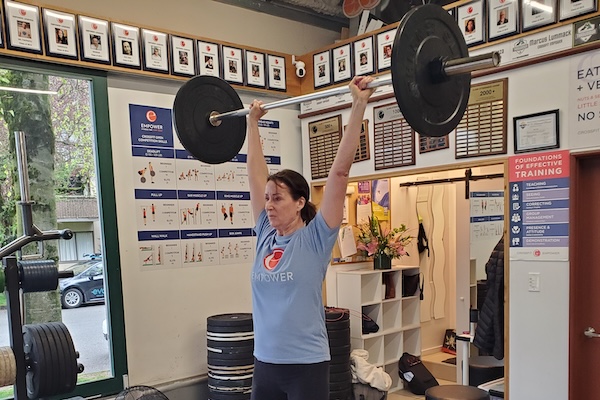
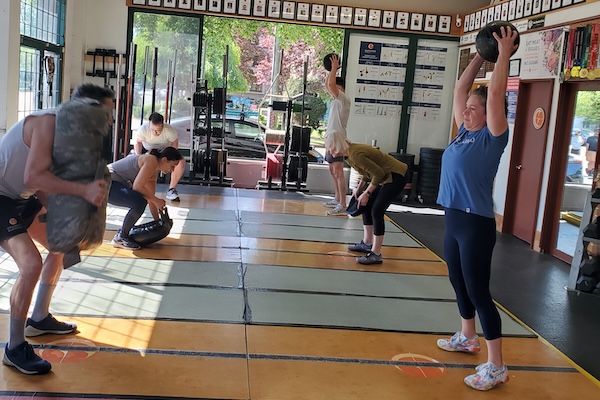
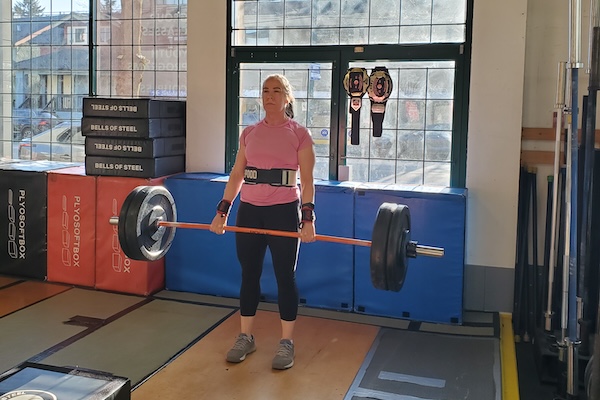
The protective benefits of exercise appear to be dose dependent in that, generally, more is better. For a long time, V02 max and grip strength have been the fitness attributes most strongly associated with reduced mortality. But more recently, there has been growing evidence that your ability to produce explosive power may be the best predictor of health and mortality. If there were a drug that produced the broad protective benefits of exercise with the welcome side effect of looking better naked, everyone would be taking it.
Sleep
While there is some genetic variation between individuals, for the vast majority of people, 7-8 hours of sleep produces the best outcomes. There is a very small minority of folks with a genetic variation that allows them to thrive with fewer hours of sleep, but statistically speaking, it is highly unlikely that one of them is reading this right now. Much has been made of chronotypes (night owls versus morning doves) but the deepest, most restorative sleep for everyone seems to happen between 10pm and 2pm.
Nutrition
Most people continue to under-eat protein and overeat ultra-processed foods. Chronic diseases are driven by malnutrition. The failure to consume sufficient protein to maintain your health and immune function may be killing you. The amino acids contained in proteins are the building blocks of everything in your body. The old 0.6 grams per pound of bodyweight is the minimal amount required to keep a sedentary person alive, not the amount required to keep you healthy, especially not if you lead an active life. 1-2 grams of protein per pound of ideal body weight seems to produce better outcomes. Like gravity, you do not need to believe in it for it to work; just give it a try for a few weeks and see what happens. If you get enough protein and prioritize whole, natural, unprocessed foods, you are probably 80% of the way to an optimum health outcome.
Removing Substances
Smoking, alcohol, drugs, sugar, processed foods — all these unnatural, unnecessary additives are strongly linked to increases in all-cause mortality. Sure, there are some industry-funded studies on alcohol that try to refute this, but the plain truth is that alcohol consumption promotes the storage of calories in visceral fat. This is the fat that accumulates around the organs that helps drive metabolic derangement. Alcohol also increases intestinal permeability.
Community
Humans are social animals, and our sense of well being is tightly connected to our sense of belonging and our participation in a community. Friends and family are great, but sports leagues, church groups, service clubs, and teams also play an important role in improving health outcomes. It doesn't seem to matter what it is; pick something you enjoy and get involved.
Purpose
We've all heard about the person who dies a few short months after retirement. A sense of purpose is important for our health and longevity; the feeling that we can make a meaningful contribution to the world. Many find this through their work or in one of the community groups listed above, but it could also be a hobby. The more personally invested you are in your mission, the better your health outcomes. You need to have a reason to live.
These six pillars of health are all effective at protecting against chronic disease, but I listed exercise first because among the six pillars it is also the one that offers the best protection not only against chronic disease but against death from the other four buckets.
Let's review:
Toxic & Microbic
Exercise doesn't make you Superman, but the fitter you are, the faster you bounce back from shocks to your system. The more muscle mass you have, the better able you are to survive extended stints in hospital. Muscle acts as a powerful reserve that your body can draw from in times of need.
Kinetic
Muscle also acts like armour. You may nut be bulletproof, but you will be better able to withstand trauma, and being stronger better equips you to fight off danger or outrun it.
Genetic
The study of epigenetics looks at how methyl group positions influence gene expression. Your genes do not have to be your destiny. Exercise has been shown to have a strong epigenetic effect that can often overcome genetic disadvantages. I could be overweight and diabetic like most of my family, but I exercise to avoid that outcome.
In summation, there are five ways that we die and six lifestyle levers we can pull in defence of our health. The biggest, most powerful lever available to us, the one that offers some protection against all five buckets of death, is exercise.
So, no, exercise is not just a vain pursuit for folks obsessed with sculpting a great body. Nor is it just for endorphin junkies chasing that post-workout high. Yes, exercise will make you fit and boost your mood, but more importantly, it can save your life!
