
More Than a (Gut) Feeling: What the Gut-Brain Axis Teaches Us About Health
We like to believe that we are in control. That our clever brain is steering the ship. We hold intellect above instinct.
And yet, our biology tells a more complicated story.
There is a remarkable communication pathway connecting the brain with many of our internal organs, including the digestive system. It is called the vagus nerve. Roughly 80% of its fibres are afferent, meaning they carry sensory information toward the brain, while only about 20% carry commands in the other direction.
So who is driving whom?
Then there is serotonin. Most of the body's serotonin is produced in the gut rather than the brain.
These discoveries are changing the way we understand our bodies, our moods, our metabolism and perhaps even the way we age. They are revelations to us, but perhaps not so much to the ancients, who long understood the wisdom of a "gut feeling."
Your Gut and Brain Are Talking
Why is this important to us?
Because we tend to think about health and fitness in compartments.
Exercise is for muscles. Food is for energy. Sleep is for rest. Stress is in your head. Your gut digests lunch.
But your body doesn't work that way.
There is a complex, ongoing interaction between the brain, nervous system, digestive system, hormones, immune system and metabolism. What happens in one part of the system can affect what happens elsewhere.
And that has real-world consequences for health, fitness and healthy aging.
I listen to a lot of talks on this subject. One that caught my attention recently featured the work of Scripps Research neuroscientist Dr. Supriya Srinivasan, whose laboratory studies communication between the nervous system and the gut and how those signals influence metabolism.
You can listen to the whole thing, or you can read the Coles Notes version below that I asked AI to generate.
This is where ChatGPT takes over:
The Gut-Brain Axis: Your Biology Is Not a Chain of Command
We tend to picture the brain as mission control. It receives information, issues orders and the rest of the body obediently gets to work.
Your biology is considerably less hierarchical.
Your brain and digestive system are engaged in a continuous two-way conversation known as the gut-brain axis. Signals travel through nerves, hormones and other chemical messengers, allowing the brain to influence what happens in the gut while the gut reports back on what's happening down below.
And some intriguing research suggests this conversation may influence how we use energy, store and burn fat, respond to food and perhaps even how we age.
The Brain Talks to the Gut
At Scripps Research, Dr. Supriya Srinivasan studies these pathways using the tiny roundworm C. elegans.
That may sound rather distant from human performance, but these worms are useful laboratory models because many of the basic genes and signalling mechanisms involved in metabolism have counterparts in other animals.
Her laboratory has shown that serotonin signalling in the worm's nervous system can initiate a chain of events that ultimately tells the intestine to convert stored fat into usable energy.
In other words, changing a signal in the nervous system changed metabolism in the gut.
But then things became more interesting.
The Gut Talks Back
Researchers discovered that the communication isn't one-way.
During fasting, specialized cells in the worm's intestine produce an insulin-like signal called INS-7. That signal travels back toward the nervous system and effectively tells it to put the brakes on fat burning.
The gut isn't simply waiting for instructions.
It is reporting back.
That doesn't mean we've discovered a secret switch for human fat loss, nor can we assume that something observed in a roundworm will work the same way in us. Translating findings across species is a long road.
But the larger idea is fascinating:
Metabolism isn't simply calories entering a furnace. It is actively regulated through communication between different parts of the body.
And researchers are increasingly interested in whether similar gut-brain signalling pathways could eventually help us better understand obesity, metabolic disease and healthy aging.
So What Does This Mean for Your Workout?
For now, nobody should be trying to "hack" their gut-brain axis.
The more useful lesson is broader.
Your body isn't a collection of independent components.
Strength training affects more than your muscles. Conditioning affects more than your heart and lungs. Nutrition affects more than your body weight. Sleep affects more than whether you're tired the next morning.
Exercise creates signals throughout the body. So do food, fasting, stress, recovery and sleep.
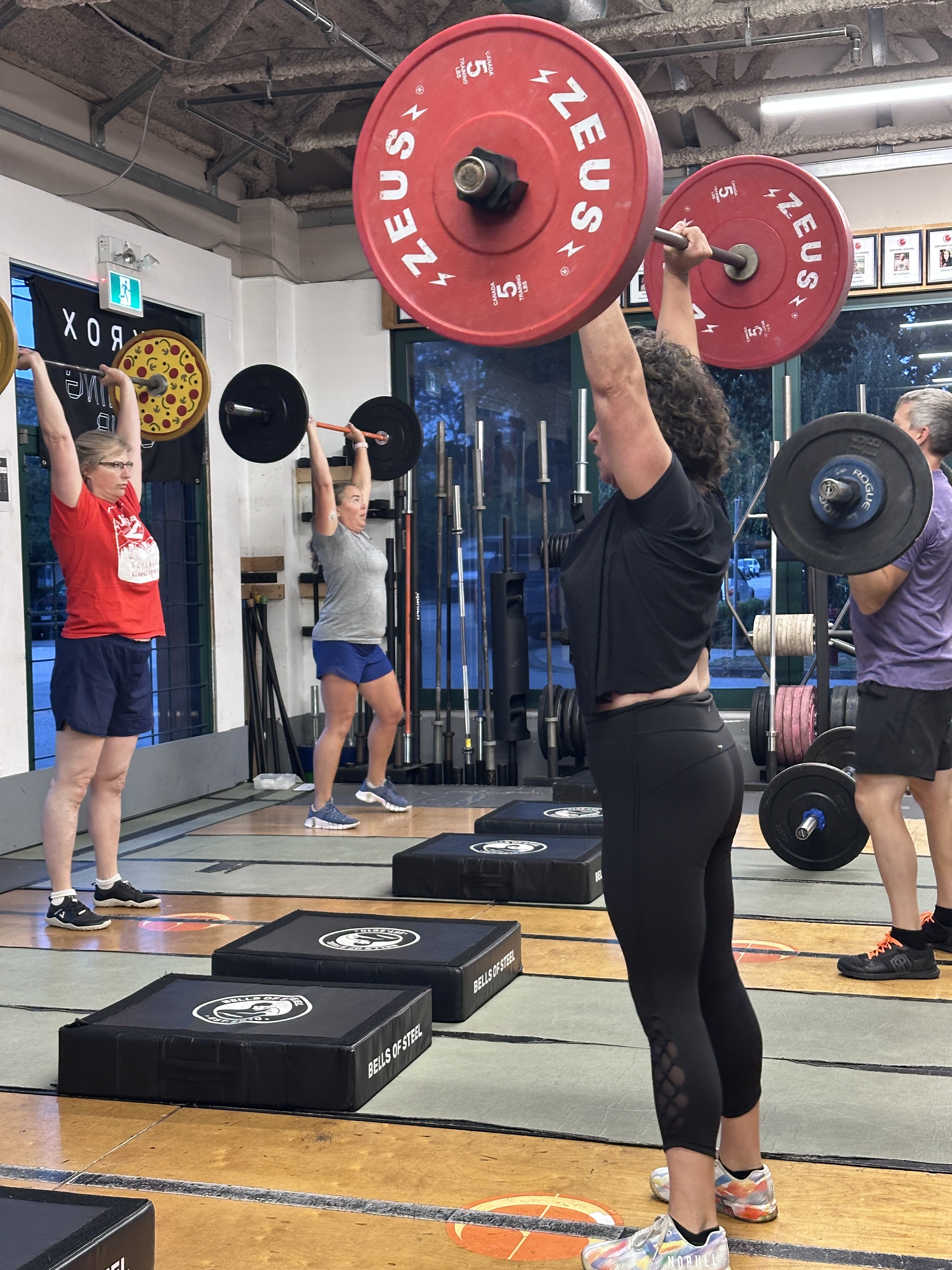
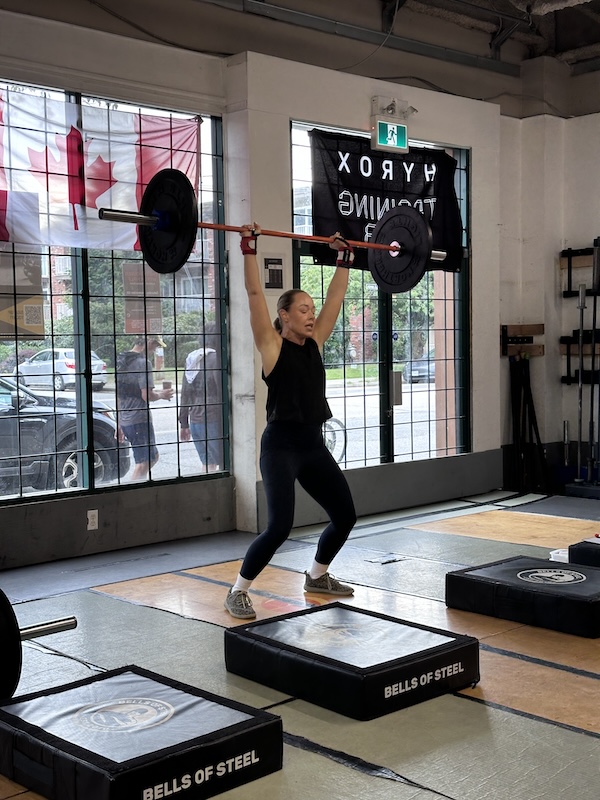
This is one reason I believe so strongly in functional fitness. Done well, training isn't about isolating one body part or chasing one number. It is about challenging the whole human organism and giving it an opportunity to adapt.
You lift something heavy.
You breathe hard.
You balance.
You coordinate.
You move through different ranges of motion.
You recover.
And, over time, your body gets better at dealing with those demands.
That's resilience.
Training for Health Span, Not Just Lifespan
This becomes increasingly important as we age.
Most of us don't simply want more years. We want more years in which we can actually do things.
We want the strength to carry our groceries, get off the floor and lift a suitcase into the overhead compartment. We want the mobility and balance to move confidently through the world. We want enough cardiovascular fitness to hike, travel, play with our grandchildren or walk Vancouver's hills without thinking twice about it.
That is health span: the portion of our lives spent healthy, capable and independent.
No single workout can guarantee it. Neither can a supplement, diet, meditation technique or "biohack."
What we can do is repeatedly create the conditions that support it: regular exercise, strength training, nutritious food, sufficient sleep, appropriate recovery and meaningful human connection.
For beginners, and especially for adults over 40 who may be returning to exercise after years away, this is also where good coaching matters. The goal isn't to throw as much stress at the body as possible. It is to apply an appropriate challenge, recover from it, adapt and gradually build capacity.
That's what we try to do every day at Empower here in Vancouver.
Scientists are still deciphering the language spoken between our organs. The more we learn, the clearer one thing becomes.
Your brain may be mission control.
But the rest of your body gets a vote.
