32 Again: Getting Fit vs. Living Fit
Getting fit can be hard.
Staying fit may be easier than you think.
You may assume that maintaining fitness requires constant discipline, restrictive eating, and punishing workouts.
It doesn’t have to.
In my twenties, I competed in judo, weighed about 185 pounds, and had a 32-inch waist. Over the following decades, my weight climbed and my waist settled into the 34–36-inch range.
Nothing unusual there. Bodies change. Lives change. Training changes.
In recent years, I’ve actually become less disciplined. I stepped away from competition. I train according to how I feel and occasionally skip workouts. My diet is much less restrictive than it once was.
Last night I had pasta and pancakes for dinner.
So I was surprised recently, while reluctantly shopping for new shorts, to discover that the 34s were too big.
At almost 200 pounds, and more than 30 years after university, I was back to a 32-inch waist.
That was interesting. But the number itself isn’t really the point.
What interested me was how unremarkable the process had become.
When healthy behaviours become the default
There was no diet challenge. No weight-loss goal. No calorie counting. No heroic burst of motivation.
Instead, over many years, healthy behaviours had gradually become my default behaviours.
And that is something almost anyone can work toward.
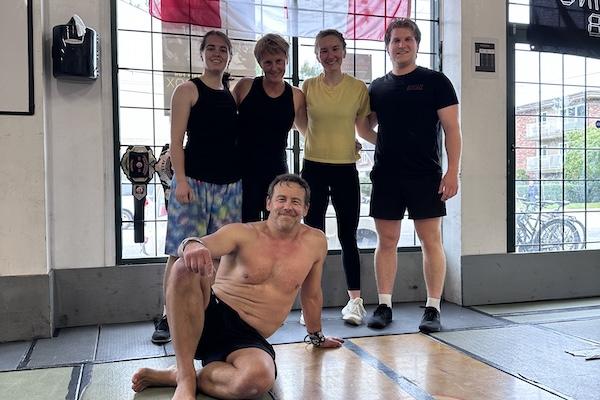
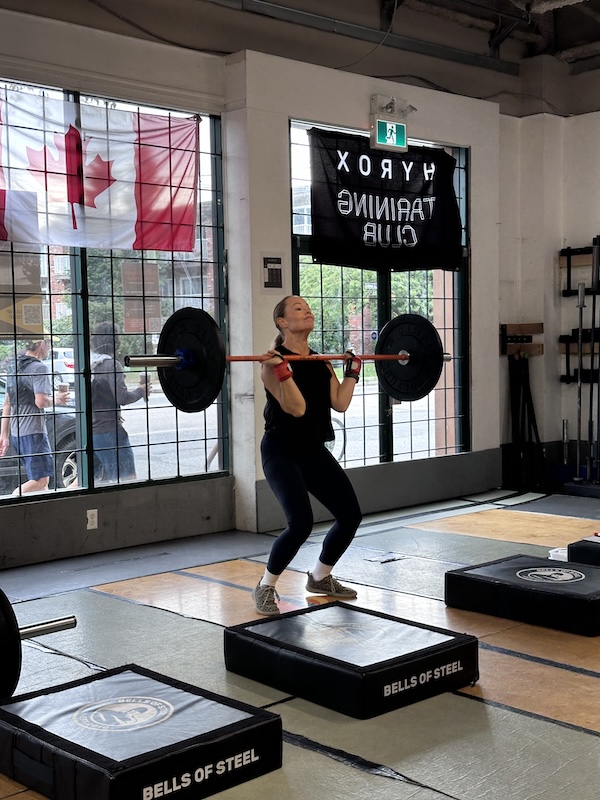
I still train, but I don’t believe every workout needs to leave you lying on the floor questioning your life choices. I do CrossFit a few times per week. I sprint. I lift heavy things. I practice judo and BJJ. I take days off.
More importantly, I move a lot.
I walk to work and to the store. I use rope flow. After meals, I might spend five minutes crawling, lifting a keg, swinging a club, dancing, doing isometrics, or attacking a tire with a sledgehammer.
Call them movement snacks.
Five minutes here. A walk there. Nothing impressive enough for Instagram. But accumulated over weeks, months, and years, it adds up.
For me, this is what functional fitness looks like in real life. Strength, mobility, conditioning and movement aren’t things reserved for an hour at the gym. They’re woven into the day.
Make the good choices easier
Nutrition works much the same way.
Most of my meals are home-cooked whole foods built around protein. We don’t generally keep desserts, snacks, or heavily processed foods in the house.
That doesn’t mean they’re forbidden.
If I really want something, I can go buy it. I’ve simply created a tiny obstacle between impulse and action.
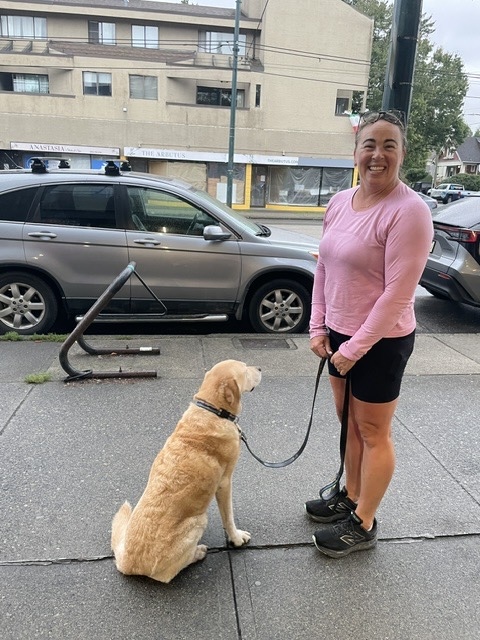
Surprisingly often, putting on shoes and walking six blocks exceeds the motivational power of cookies.
The larger lesson isn’t that you should copy my routine.
It’s that you can build your own version of it.
Getting fit may require more structure
If you’re starting from a place where your health or fitness needs substantial improvement, you may need more structure initially.
You may need to train more deliberately, change how you eat, build muscle, lose excess body fat, improve your mobility, or establish habits that don’t yet exist. For beginners, and especially for adults returning to exercise after years away, good coaching can make that process much easier to navigate.
That phase requires work.
But it doesn’t necessarily last forever.
Over time, the behaviours that once required discipline can become simply what you do.
Walking isn’t exercise. It’s how you get somewhere.
Protein isn’t a diet strategy. It’s what meals are built around.
Strength training isn’t something you endure for a few months to reach a goal. It’s something you continue doing because being strong makes life better.
Training isn’t a temporary assault on your body. It’s part of your weekly health hygiene practice.
And missing Tuesday doesn’t mean you’ve failed, because you’re going to be doing this again Thursday, next month and next year.
Getting fit and living fit are different projects
Getting fit and living fit are not the same project.
Getting there may require considerable effort.
Staying there may require something much more sustainable: move every day, train consistently, maintain your strength and mobility, eat mostly good food, make the less-helpful choices slightly less convenient, and keep doing it for a very long time.
This becomes increasingly important as we age.
Healthy aging isn’t simply about living longer. It’s about maintaining the strength, mobility, resilience and independence to keep doing the things that make life worth living. That’s the idea behind health span: not merely adding years to your life, but trying to preserve your physical capacity throughout those years.
At Empower, we see this with adults in their 40s, 50s, 60s and beyond. Fitness doesn’t need to become more extreme as you age. It needs to become more sustainable.
You don’t need to be perfect.
You need to build a lifestyle that makes staying fit easier than becoming unfit again.
And you can start building that lifestyle today.
